
Sale!
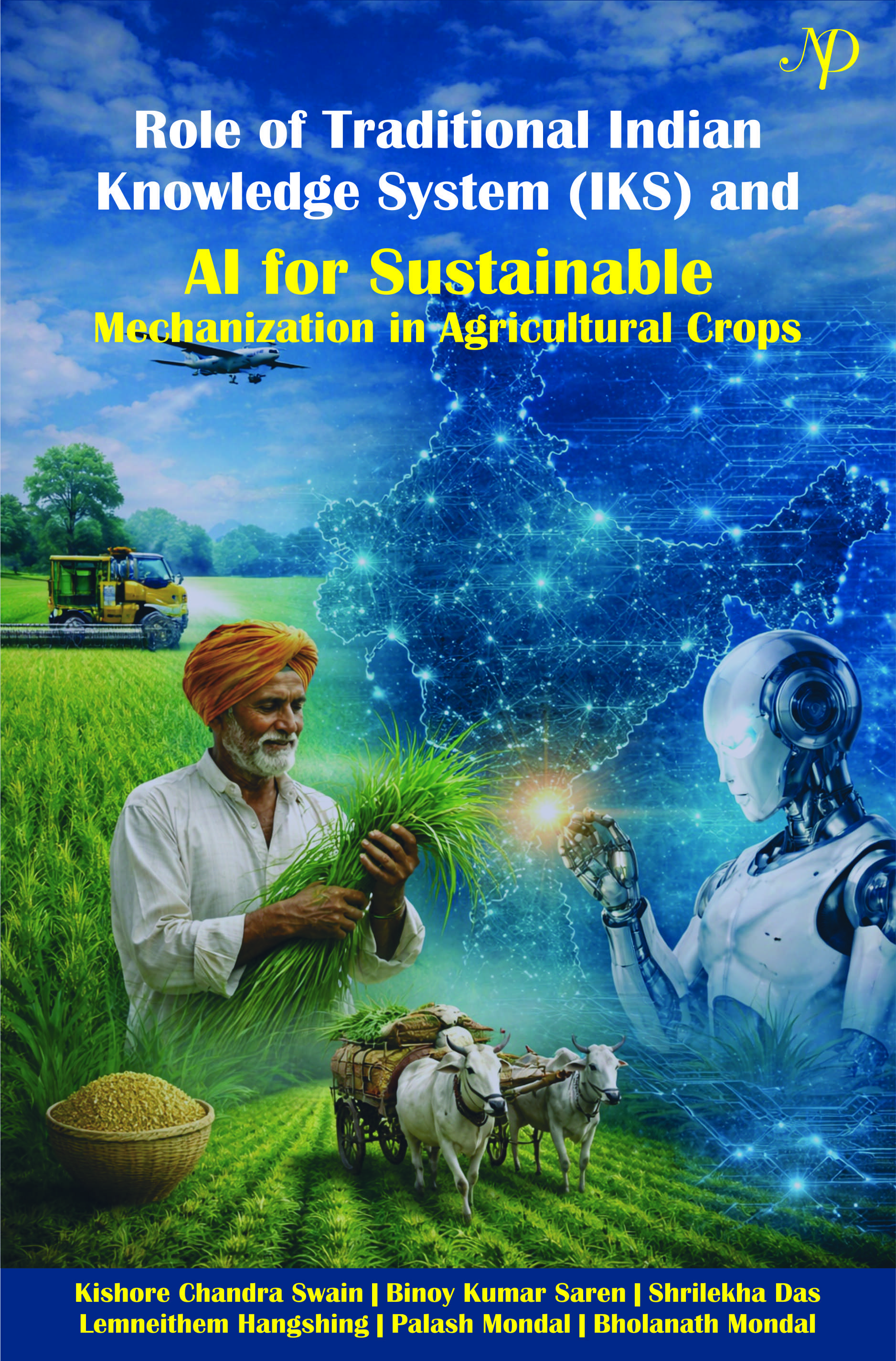
Role of Traditional Indian Knowledge System (IKS) and AI for Sustainable Mechanization in Agricultural Crops
ISBN NO:9789349897175 PAGES :390 PAPER TYPE: HardboundAuthor(s) / Editor(s):
Kishore Chandra Swain, Binoy Kumar Saren, Shrilekha Das
The integration of Indigenous Knowledge Systems (IKS) with contemporary scientific methods presents a possible route towards sustainable development as we confront the global concerns of climate change, biodiversity loss, and food security. With its roots in sustainability, ecological balance, and a holistic outlook on life, the IKS and its connection to agriculture constitute a rich and old subject of study. An in-depth analysis of ancient techniques that have been honed and shown to be successful over ages is desperately needed. These methods give insights about resilient agricultural methods, biodiversity conservation, and resource management that are frequently disregarded in contemporary agriculture, making them both culturally and scientifically significant. Documenting Indigenous Technical Knowledge is also crucial for local communities to enhance agricultural practices and productivity.